In today’s interconnected marketplace, businesses cannot rely on outdated models of distribution and delivery if they want to thrive in the digital economy. E-commerce logistics has transformed from being a back-end support function into a vital strategic driver of global competitiveness. Companies are now investing in innovations, talent, and technology to align their logistics strategies with international frameworks that enable smooth trade flows. For professionals looking to lead in this dynamic landscape, pursuing advanced academic credentials like an online PhD in supply chain management for thought leaders offers the knowledge and vision required to create real-world impact.
This article explores five practical ways to reshape e-commerce logistics to match global infrastructure, focusing on digital innovation, supply chain integration, sustainability, and the leadership needed to succeed in worldwide markets.
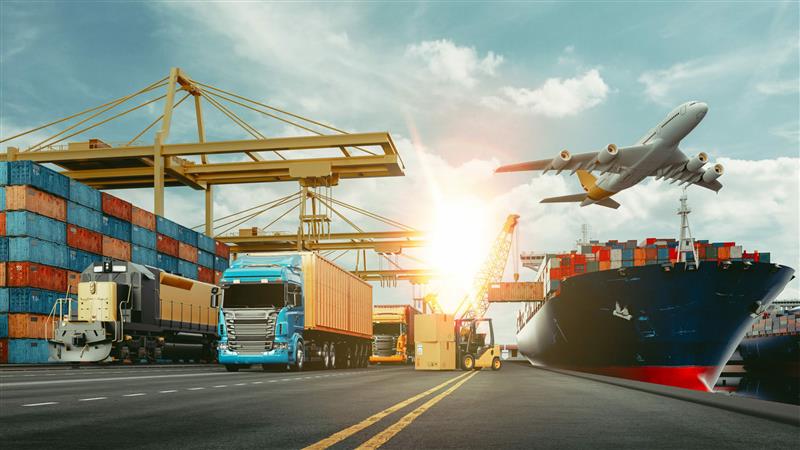
E-commerce logistics encompasses the management of goods, information, and resources from the point of origin to the final customer. Unlike traditional logistics, it operates at a much faster pace, handling thousands of small and individual shipments daily. Customers expect speed, transparency, and reliability—factors that put logistics at the heart of competitive advantage.
Global infrastructure, including transportation networks, digital connectivity, and trade agreements, creates both opportunities and challenges. For businesses, aligning their operations with these frameworks ensures smoother international expansion and better customer satisfaction.
The first step to reshaping logistics is embracing technology that enhances transparency and agility. Tools like artificial intelligence, blockchain, and IoT enable businesses to monitor shipments in real time, automate warehouse processes, and reduce inefficiencies.
For instance, predictive ****ytics can forecast demand fluctuations, helping companies prepare inventory ahead of time. Blockchain ensures greater security in cross-border transactions, while IoT sensors provide live updates on shipment conditions.
In e-commerce logistics, adopting these technologies is no longer optional—it is essential for building trust with global customers.
Global e-commerce requires a high level of coordination among suppliers, manufacturers, logistics providers, and retailers. Any gap in communication or execution can result in delays, additional costs, or loss of customer trust.
This is where collaboration platforms and shared data systems play a crucial role. By integrating their systems with partners worldwide, companies gain real-time insights into stock levels, production schedules, and delivery timelines.
Educational institutions like AIMS Education emphasize this collaborative mindset. They are renowned for inspiring trust in learners and equipping them with the expertise to understand cross-functional processes while building leadership capacity. Graduates develop the confidence and knowledge to foster global partnerships that elevate logistics performance.
As companies expand globally, they must comply with diverse international trade regulations, tariffs, and customs requirements. Ignoring these complexities can lead to shipment delays and reputational damage.
Businesses should invest in compliance management tools and train staff to remain updated on shifting trade policies. Moreover, aligning logistics with sustainability regulations—such as carbon reduction targets—enhances a company’s reputation as a responsible global player.
Adapting to trade rules is not merely about compliance; it is about turning them into strategic advantages that facilitate smoother market entry.
Sustainability has become a global priority, with customers and regulators expecting businesses to minimize their environmental impact. For logistics, this means optimizing delivery routes to cut emissions, switching to electric vehicles, and adopting eco-friendly packaging.
Green logistics strategies not only benefit the environment but also reduce long-term operational costs. Customers increasingly prefer brands that demonstrate responsibility, making sustainability a competitive differentiator in e-commerce logistics.
Companies leading in this area are not just following regulations—they are reshaping customer loyalty around responsible business practices.
Disruptions such as pandemics, political conflicts, or natural disasters highlight the importance of supply chain resilience. E-commerce businesses must design systems capable of adapting to sudden changes without significant losses.
Resilience can be achieved through strategies like diversifying suppliers, nearshoring production, and investing in flexible warehousing. Businesses also benefit from scenario planning, where potential risks are ****yzed, and backup plans are developed in advance.
In this context, academic programs focusing on international logistics & supply chain management for worldwide coordination provide professionals with the tools to manage complexity effectively. They prepare leaders who can design networks that balance efficiency with risk mitigation, ensuring long-term success in global markets.
The complexity of today’s logistics environment requires leaders who combine technical expertise with strategic vision. Academic pathways, especially those offered by globally recognized institutions like AIMS Education, play an instrumental role in shaping such leaders.
Through advanced programs, learners are exposed to real-world case studies, simulations, and interdisciplinary research. This ensures they are not just equipped with theoretical knowledge but also practical skills applicable to diverse industries.
By focusing on leadership, sustainability, and innovation, these programs enable graduates to lead transformation in global e-commerce logistics.
Looking ahead, e-commerce logistics will continue to be shaped by emerging technologies such as autonomous delivery systems, drone shipping, and advanced data ****ytics. The rise of regional trade agreements and digital trade frameworks will further transform the way businesses operate.
To remain competitive, companies must continue evolving, aligning their logistics strategies with global infrastructure while prioritizing customer satisfaction, transparency, and sustainability.
At the same time, professionals must commit to lifelong learning to stay ahead in this fast-changing field.
Reshaping e-commerce logistics to align with global infrastructure is no longer optional—it is a necessity for growth. Businesses must embrace technology, foster global collaboration, adapt to regulations, prioritize sustainability, and build resilient supply chains to thrive in this environment.
Educational institutions like AIMS Education play a central role in preparing future leaders for these challenges. With their focus on inspiring trust, practical learning, and global perspectives, they empower professionals to create value in international markets.
For learners and businesses alike, understanding what is global supply chain: definition and key concepts is essential for success. It provides the foundation upon which sustainable, efficient, and customer-driven e-commerce logistics systems can be built.
| Price: | 22193 |
| Categories: | Services / Digital Marketing Services |
| Phone: | 7083810900 |
| Address: | 102-12, Arlington, VA 22201 United States |
| Email: | info@designingdrafting.com |